

Introduction. Viral Post Generator#
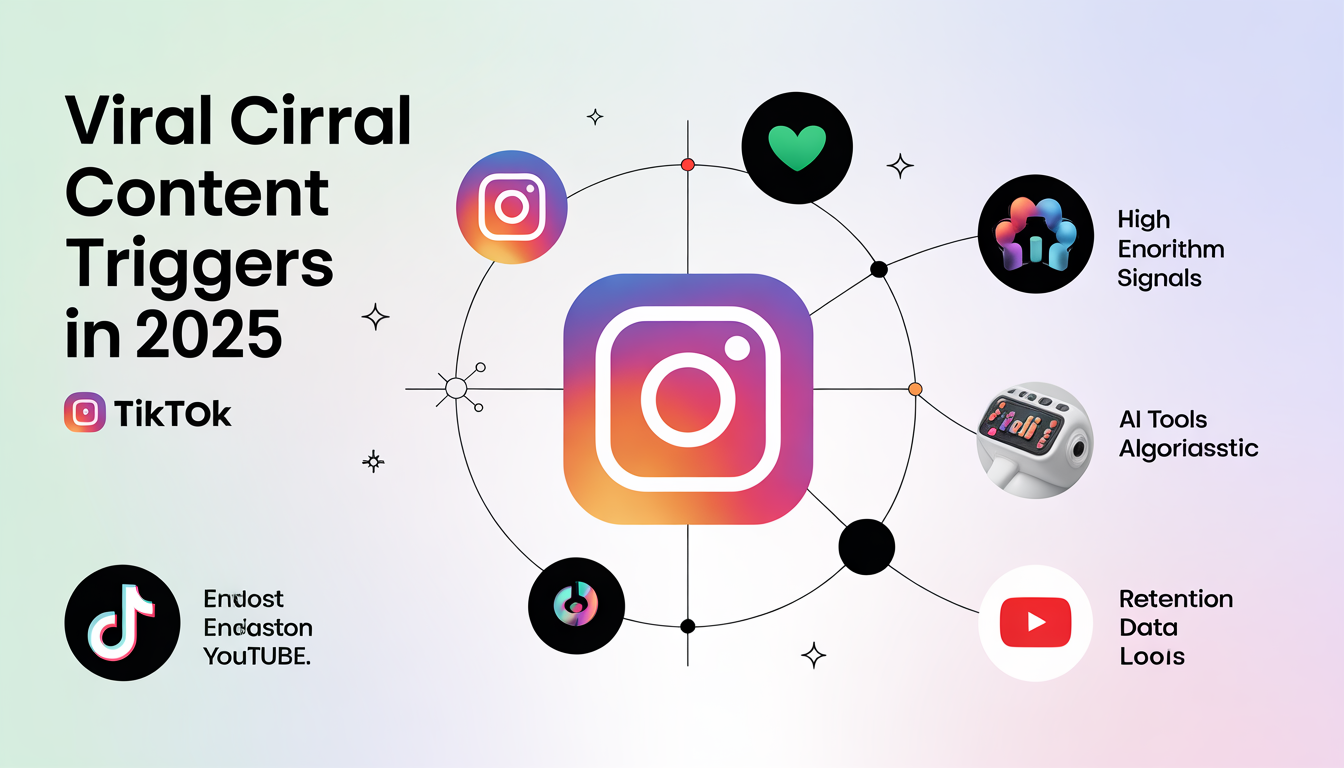
Viral Post Generator. If you’ve ever watched an Instagram Reel suddenly explode, a TikTok sound hit millions, a YouTube Short take over recommendations, or a Spotify track surge into curated playlists — you’ve witnessed virality in action. But none of it is random. Behind every “overnight success” is a repeatable structure that platforms reward. This guide unpacks how content spreads across all major networks and reveals why the modern viral post generator mindset — a mix of psychological triggers, platform signals, and AI-powered insights — is now essential for sustainable growth in 2025–2026.
Throughout this guide, we’ll break down the psychology of sharing, the cross-platform triggers responsible for exponential reach, and the full VIRAL Framework: Value, Impact, Relatability, Algorithm, Loop. You’ll also see how creators and brands use an AI-supported viral post generator workflow — not as a shortcut, but as a structured way to test hooks, predict performance, and build repeatable virality without losing authenticity.
🚀 Want to boost your Instagram momentum?
Alongside AI systems and your own viral post generator workflow, many creators combine organic content with safe, trust-tested visibility support.
Explore real followers, engagement, and watch-time boosters at
Famelab’s Instagram Growth Services
.
A small early push can help strong content break through while you focus on storytelling and consistency.
Extended Semantic Core#
Extended semantic cluster: viral content creation, social media virality, emotional triggers, storytelling frameworks, algorithm signals, and data-driven marketing psychology. Understanding this cluster transforms virality from “luck” into a repeatable viral post generator strategy.
When users search for how content goes viral online or what makes a post blow up on social media, they’re really asking how attention, emotion, and timing interact. The science of virality sits at the crossroads of creative psychology and algorithmic behavior — what researchers often call the “share-impulse loop.”
On Instagram, that means storytelling and design — Reels that deliver value in seconds or carousels that extend watch-time. On TikTok, virality lives in the loop-retention cycle, where replays multiply reach. On YouTube, it’s all about watch-time gravity — the strongest predictor of recommendation. And on Spotify, community-driven sound adoption becomes the engine of audio virality.
Each platform rewards a universal sequence: Hook → Emotion → Value → Loop. This is the foundation of every effective viral post generator methodology — whether powered by AI or crafted manually.
In 2025, viral content best practices center on authenticity, emotional intelligence, and sustainable systems. The future belongs to creators who merge data insight with storytelling psychology, mastering algorithm signals without losing the human voice behind the content.
The VIRAL Framework: Anatomy of a Viral Post#
The VIRAL Framework is the backbone of every piece of content that spreads organically. Whether you’re producing an Instagram Reel, TikTok short-form video, YouTube Short, or Spotify audio snippet, every viral moment aligns with these five elements: Value, Impact, Relatability, Algorithm, Loop.
V — Value: Viral content delivers an instant payoff: a sharp insight, a relatable truth, or a quick emotional shift. On Instagram, this may be a one-tip Reel. On TikTok — a transformation reveal. Value can entertain or educate, but it must be immediate.
I — Impact: The first three seconds determine survival. Novelty, emotion, or pattern-breaks create that instant hook. TikTok uses motion and sound; YouTube relies on curiosity-based intros. This is the scroll-stopper layer.
R — Relatability: People share content that reflects their own experiences. Relatability transforms a video into conversation: “This is so me.” Small business realities, messy creative process, behind-the-scenes moments — all build empathetic connection.
A — Algorithm: Each platform rewards depth of attention. Instagram prioritizes saves and rewatches; TikTok tracks completion rate; YouTube measures retention and session duration; Spotify reads skips and playlist adds. The more people finish or rewatch, the more your content is amplified.
L — Loop: The viral engine. Loops create replays — structural or psychological. A TikTok ending exactly where it starts, a YouTube callback to the beginning, a Spotify outro blending into the intro — these elements extend retention and multiply reach.
Stacking Value + Impact + Relatability + Algorithm + Loop transforms randomness into a repeatable viral post generator formula. This is how creators shift from occasional hits to predictable momentum.
The Psychology of Virality# 
The psychology behind viral posts goes far beyond algorithms — it’s rooted in human emotion, identity, and social reward. People share not because your post is perfect, but because it makes them feel something and gives them a story to tell. Every viral piece of content — whether crafted manually or through a viral post generator — taps into one or more of the five universal emotional triggers that guide attention and sharing.
1️⃣ Awe — “I didn’t know that!”
Awe activates curiosity and wonder — emotions that make people pause and rewatch.
Tutorials that teach something surprisingly simple (“This one Canva trick changed my whole workflow”) or transformation videos (“Before vs After” edits on Reels and TikTok) ignite the brain’s reward centers.
On YouTube, this looks like “how did they do that?” thumbnails; on Spotify, it’s that track you replay because the production or emotion gives you chills.
Even AI-assisted formats built with a viral post generator use awe as a core amplification mechanic.
2️⃣ Humor — “That’s so true, I can’t stop laughing.”
Humor drives dopamine release and creates instant bonding.
It lowers resistance and increases the likelihood of sharing — especially in DMs.
TikTok skits that exaggerate relatable struggles (“POV: you said you’d post daily”) or Instagram meme reels outperform serious posts 3x in share rate.
But humor must feel authentic — forced jokes can trigger cringe, not connection.
This is also why modern viral post generator tools often include humor prompts — because it statistically increases shareability.
3️⃣ Relatability — “That’s literally me.”
Relatable content validates identity.
When users recognize themselves in your story — the stress before a client call, the failed morning routine, the “I’ll just check my insights for one minute” spiral — they react with comments, saves, and tags.
The most viral posts often reflect ordinary feelings in unexpected ways.
Creators who show imperfection humanize their brand and break the polished monotony that dominates social feeds.
This relatability layer is something even the best viral post generator can’t fake — it must come from human experience.
4️⃣ Usefulness — “This will help someone.”
Utility builds authority.
People share content that makes them look informed, capable, or generous.
That’s why “mini-tutorial” Reels and carousels perform so well on Instagram — they transfer micro-value quickly.
On YouTube, creators like Ali Abdaal or Kurzgesagt thrive on shareable education; on TikTok, quick “how-to” snippets go viral because they make the viewer smarter in under 15 seconds.
This principle is why many creators use a viral post generator to build educational formats faster and more consistently.
5️⃣ Controversy — “Wait, I disagree.”
Polarizing topics trigger strong engagement, but they’re a double-edged sword.
Healthy controversy — like busting myths (“The algorithm isn’t shadowbanning you, you’re just posting inconsistently”) — sparks discussion and signals authority.
Toxic controversy, however, drains trust and long-term engagement.
Aim for constructive tension, not chaos.
Researchers call this the “identity loop of virality”: Emotion (feeling something) → Reflection (seeing yourself) → Expression (sharing publicly). The best creators design for all three stages. They don’t just inform; they make audiences feel seen. This emotional mirror effect is what drives saves, shares, and replay value across every platform — and it’s the core logic many viral post generator systems are built to replicate.
If your post only informs — it’s educational. If it informs and moves — it’s viral. That’s the emotional equation that separates posts people scroll past from those they save and send to friends.
On social, attention is borrowed — not owned. Your first line or first three seconds must earn the second second. That’s why hooks matter more than ever: they compress curiosity and promise into a tiny window that unlocks watch-time and saves — a principle used heavily inside every viral post generator workflow.
Instagram: The Mini-Documentary Era# 
In 2025, Instagram virality is driven less by effects or trending audios and more by structured storytelling. The feed now amplifies content that feels like a personal documentary with practical value — short, story-led Reels where authenticity, pacing, and takeaway intersect. The new winning formula is personal + practical + punchline.
Top creators pair Reels + Carousels as a deliberate system: a short Reel captures attention, then a carousel provides depth, boosting saves, shares, and session time. This dual-format approach performs best under the Instagram algorithm for watch-time, saves, and swipe-through retention.
✅ What Works Best in 2025
- Reel Hook: Deliver the payoff within 3–5 seconds. Begin with motion, a close-up, or a pattern-breaking question. Example: “If your Reels keep flopping, this is why.”
- Caption Bridge: Use captions as a story bridge. Keep it short: two lines for context, one takeaway, one CTA (“Save for later”).
- Carousel Depth: Convert your Reel into a 5–7 slide carousel — turn the insight into a clear breakdown to improve swipe-through and dwell time.
- CTA Placement: Trigger interaction right as the emotional payoff hits (“Tag someone who needs this”).
- Visual Identity: Use consistent color, font and structure to build recognizability — the algorithm rewards cohesive branding.
🚫 Common Mistakes That Kill Reach
- Chasing trends without adding brand context. Trend-only content creates views, not loyalty.
- Random audio choices that don't match tone or niche. Instagram prefers audios aligned with your content category.
- Over-edited transitions: Too many cuts break emotional flow and reduce completion rate.
- Hashtag dump: 20–30 hashtags lower retention. Use 3–5 niche-specific tags instead.
- Ignoring early comments: Instagram’s ranking system heavily weights first-hour conversation velocity.
Mini-Doc Example: A café owner films a 20-second behind-the-scenes Reel (authenticity), adds a quick latte art tip (value), ends with “Would you try this?” (engagement cue), and follows it with a recipe carousel. This blend of relatability, education, and curiosity mirrors the psychology behind every viral Instagram post.
TikTok: The Algorithmic Playground# 
TikTok doesn’t prioritize follower graphs — it prioritizes interest clusters, which is why small accounts can go viral overnight. The main driver in 2025 is looped retention: videos that restart seamlessly, compress payoff, and trigger rewatches.
- Pattern Interrupt: Use a visual or verbal shock in the first 0–1 seconds — zoom, snap transition, unexpected phrase. This instantly signals novelty.
- Visual Variety: Change angles or motion every 1–2 seconds. Static shots trigger early drop-offs; dynamic pacing improves loop retention.
- Micro-Series: Publish short part-based sequences with cliffhangers. Example: “Part 1: Why my Reel hit 500K views” → “Part 2: The tool I almost ignored.” This builds binge behavior, which TikTok rewards.
- Audio Looping: A sound that ends where it starts creates invisible loops. TikTok and Instagram both boost replays caused by seamless audio cycles.
- Dynamic Captions: Add minimal on-screen text (“watch till the end”, “wait for it”). This strengthens watch-time optimization signals.
- Micro-Tease Outro: End with intrigue, not a fade-out. Ask: “Want Part 2?” or reveal a tiny detail that encourages comments.
- Analyze Retention: Check audience retention graphs weekly. Consistent retention above 70% dramatically increases FYP visibility.
YouTube: Retention & Watch-Time Gravity#  On YouTube, virality = retention.
The platform doesn’t reward clicks — it rewards session time and how long a viewer stays inside your content ecosystem.
Shorts spark discovery, but mid- and long-form videos build trust, depth, and channel authority.
The strongest creators engineer a viewer journey where Shorts attract → mid-form explains → long-form deepens loyalty.
On YouTube, virality = retention.
The platform doesn’t reward clicks — it rewards session time and how long a viewer stays inside your content ecosystem.
Shorts spark discovery, but mid- and long-form videos build trust, depth, and channel authority.
The strongest creators engineer a viewer journey where Shorts attract → mid-form explains → long-form deepens loyalty.
To master watch-time gravity, every video must operate on three invisible forces: attention (hook), rhythm (beats), and payoff (clarity or emotion). These laws apply across niches — from education and productivity to lifestyle vlogs, design content, and storytelling channels.
- First 3 seconds: create visual tension or surprise before speaking — a bold frame, movement, or cold open (“This video almost didn’t get uploaded…”).
- Mid-beats: insert narrative or visual shifts every 10–15 seconds — camera angle changes, B-roll, on-screen text, humor resets. These micro-beats keep dopamine active.
- End hooks: link directly to another video (“Part 2 next,” “Watch the behind-the-scenes here”) — this increases session time and signals algorithmic quality.
- Thumbnail + Title alignment: promise curiosity but deliver clarity. Misaligned hooks create high CTR + low retention, which kills promotion.
- CTAs in context: ask for a like/save after value is delivered — not at the beginning. Behavioral data shows 30–40% higher retention with post-payoff CTAs.
🚫 Common Mistakes That Kill Retention
- Talking intros longer than 15 seconds. Skip greetings — open with story tension or a visual moment that earns the first 20 seconds.
- Over-edited B-roll or effects every second — this causes visual fatigue and reduces AVD (average view duration).
- No narrative arc. Even tutorials need conflict → process → resolution. Without structure, retention collapses mid-video.
- Ignoring CTR vs AVD balance. High CTR with weak retention = clickbait; high retention with low CTR = weak packaging. Both must rise together.
- Skipping end cards, playlists, and internal links. Up to 40% of total channel watch-time comes from suggested video flow. If you don’t guide viewers forward, YouTube won’t either.
In short, YouTube virality isn’t an accident — it’s engineered attention. Creators who design videos as a rhythm of tension, clarity, and emotional payoff consistently win the algorithm and build deeper audience trust.
Spotify: The Viral Audio Loop# 
Spotify virality in 2025 is no longer isolated — it lives inside a cross-platform storytelling loop. Just like visual trends shaped by a viral post generator, viral audio spreads when a sound becomes a reusable asset across TikTok, Instagram Reels, and short-form videos. Every remix, stitch, or reaction sends behavioral data back into Spotify’s algorithm, powering playlists like Discover Weekly and Release Radar.
The 2025 Spotify viral loop works similarly to a viral post generator workflow: a 10–15-second hookable segment launches on TikTok or Reels → creators turn it into UGC → those clips drive traffic to the original track → playlist adds trigger algorithmic discovery → artists respond with behind-the-scenes content → the loop returns back to social. This is not luck — it’s engineered momentum powered by emotion, timing, and identity.
🎧 Practical Strategies for Artists & Marketers
- Post snippet-first content: highlight the chorus, punchline lyric, or emotional sound moment. Hooks with clear feelings (“nostalgia,” “melancholy,” “confidence”) outperform generic beats in shareability and replay rate.
- Encourage fan stitches, remixes, and reactions. Each UGC clip works like a human-powered viral post generator — multiplying emotional proof across platforms.
- Document behind-the-scenes creation — writing sessions, studio takes, voice memos. Transparency turns regular listeners into loyal fans and increases playlist saves.
- Use short-form storytelling: “the story behind this sound,” “why this lyric hurts,” or “how one take changed the track.” Narrative context builds emotional memory around the snippet.
- Track cross-platform data weekly to see which short clips convert best into Spotify saves or playlist adds. Sync posting rhythm with peak engagement windows.
🚫 Common Mistakes That Limit Audio Virality
- Dropping full songs first without testing which hook resonates. The snippet is the viral asset.
- Ignoring UGC reactions — you break the viral chain when you don’t engage back.
- Over-branding songs with watermarks or long intros. Viral sounds must feel native.
- Lack of storytelling — tracks without emotional narrative rarely sustain playlist growth.
- Weak visuals — Spotify reads Canvas loops and profile video engagement as ranking signals in 2025.
The takeaway: Spotify virality = storytelling through sound + cross-platform distribution. Every snippet that travels beyond Spotify expands its emotional footprint — exactly how a viral post generator spreads visual content. Artists who treat sound as shareable social media content, not just music, dominate both algorithmic discovery and cultural memory.
Behind the Viral Post Generator (AI)# 
AI tools — especially prompt-based “viral post generators” — have quietly become creative partners rather than replacements. Modern creators increasingly rely on a viral post generator workflow to structure hooks, emotional tension, and platform-specific retention patterns across Instagram, TikTok, YouTube, and Spotify. Trained on millions of high-performing posts, these models learn what captures attention: emotional hooks, watch-time triggers, narrative pacing, and visual phrasing. They score headlines by emotional resonance (curiosity, humor, tension), suggest formats with proven completion rates, and even simulate audience reactions to different openings or captions.
In practice, creators use them to compress value — turning a 90-second idea into a 20-second story without losing meaning. An AI prompt like “make this hook more curiosity-driven” can transform a flat line (“5 tips for small brands”) into a viral one (“The secret big brands don’t tell small businesses”). The difference? Emotional contrast. That’s what algorithms and people both react to.
These AI content generators reduce guesswork by highlighting which phrases, formats, or tones historically drive engagement. However, the real power lies in collaboration, not automation. When you feed the AI your own brand voice, values, and examples, it starts reflecting your personality while amplifying structure. Creators who treat AI as a co-writer — not a copy machine — gain the most consistent results.
Across 2025’s social platforms, AI tools already shape data-based storytelling: they analyze which emotions trend in your niche, when to post for maximum retention, and how to frame calls-to-action without triggering “ad fatigue.” They don’t replace creativity — they multiply it by freeing time for concept and craft.
Ultimately, the goal isn’t to let AI “go viral for you.” It’s to build a repeatable human-AI creative loop — where intuition sets direction, data refines execution, and authenticity anchors every post. This is where a refined viral post generator strategy becomes most valuable: AI provides the structural patterns, and you provide the emotional depth. That’s how modern creators use technology to stay consistent, not mechanical.
The VIRAL Blueprint 2025# 
Once you understand the pattern, virality becomes a repeatable rhythm. Follow this 5-step VIRAL Blueprint to create sustainable visibility on Instagram, TikTok, YouTube, and Spotify.
| Step | Action | Why It Matters |
|---|---|---|
| 1️⃣ Define Emotions | Pick 3 core emotions your brand evokes (inspiration, humor, empowerment). | Emotion = memory retention + shareability boost. |
| 2️⃣ Select Formats | Choose 2 platform formats that fit best (Reels, TikTok, Shorts, Carousels). | Fewer formats → stronger algorithms signals. |
| 3️⃣ Map Triggers | Plan monthly viral hooks by trend relevance and audience fit. | Strategic timing beats trend chasing. |
| 4️⃣ Use AI Assist | Generate hooks or captions via AI tools → add personal story & voice. | AI pattern speed × human emotion depth = authentic momentum. |
| 5️⃣ Measure Depth | Track saves + shares over likes; analyze retention weekly. | Engagement quality outweighs volume metrics in 2025. |
Emotional Triggers for Virality# 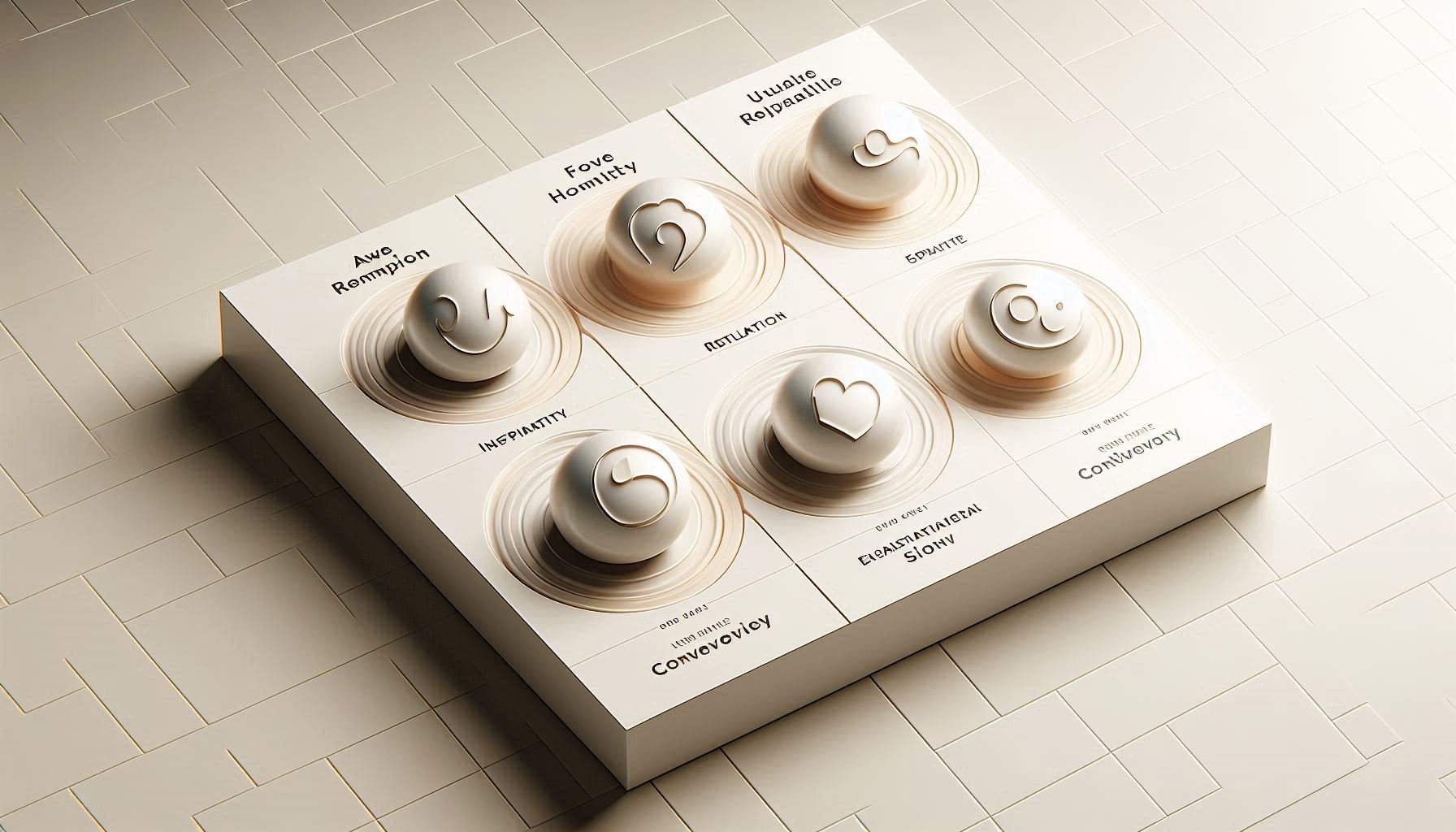
| Emotion | Why It Works | Example Hook |
|---|---|---|
| Awe | Activates curiosity and reward centers in the brain. | “You won’t believe how fast this Instagram hack grew my reach.” |
| Humor | Boosts dopamine and creates parasocial connection. | “POV: you posted a trend 12 hours late and it still flopped.” |
| Relatability | Makes people feel seen → drives comments and saves. | “Every small business owner at 2 a.m. editing Reels…” |
| Inspiration | Turns viewers into followers through purpose and hope. | “If you feel stuck creating, watch this.” |
| Controversy | Drives debate and algorithm velocity when handled respectfully. | “Stop believing this TikTok algorithm myth.” |
When you feel tired of metrics, remember why you started creating in the first place. Every post isn’t a pass or fail — it’s data, feedback, and growth fuel. Creators who treat content like ongoing experimentation, not performance judgment, build both resilience and authentic authority. Even tools like a viral post generator can support the process, but they cannot replace your lived experience.
In the age of constant analytics, it’s easy to confuse numbers with worth.
But algorithms reward consistency of curiosity — not perfection.
A creator who tests, learns, and iterates weekly will always outperform one chasing trends in panic.
Think of every piece of content as a micro-lab: test one hook, one caption, one call-to-action.
The more experiments, the faster your creative muscle grows.
This mindset is the foundation of sustainable content strategy — a system where you create from energy, not exhaustion. Instead of asking “Why didn’t this post go viral?”, ask “What did this post teach me about my audience’s attention span?” That question turns frustration into insight — and insight into next week’s win.
When metrics feel overwhelming, zoom out to mission-level thinking. Are you building a career, a community, or a catalog of impact? Algorithms shift, but trust and emotional familiarity compound over time — that’s the real metric of influence. Slow growth built on connection is far more sustainable than short-term virality.
FAQ: Creator Sustainability & Trend Strategy 
Absolutely. Strategic skipping is one of the healthiest growth habits for modern creators. Every trend demands time, energy, and adaptation — not all will align with your niche or brand values. Use the 3-Filter Method: Relevance (Does it fit my topic?), Longevity (Will it matter in 2 weeks?), Energy Cost (Can I do this without burnout?). If a trend fails two filters, skip it guilt-free. In the long run, audiences remember clarity, not constant novelty.
Not necessarily — and usually, it improves. Algorithms in 2025 reward retention, saves, and return viewers more than posting frequency. A well-crafted Reel or carousel that gets rewatched and saved 500 times beats ten rushed uploads that people scroll past. Consistency of value > frequency of noise. Slowing down helps you post with intention, which actually strengthens the algorithmic signal of quality.
Build a cyclical workflow: Input → Rest → Creation → Reflection. Schedule breaks as seriously as upload days — that’s part of your productivity system, not a failure. Protect energy by batching during peak creativity and taking digital sabbaticals to recharge. Also, diversify your dopamine: learn, move, and create offline. Balanced creators stay relevant longer.
Scan for cross-platform overlap and emotional fit. A real trend sustains because it taps into shared emotion — not just algorithmic hype. Track hashtags and sounds that appear on multiple platforms (Instagram, TikTok, YouTube Shorts). Then ask: does this trend express something my audience already feels or aspires to? When in doubt, choose depth over speed — meaningful trends build stronger retention loops.
Rest is the reset button. Step away from output mode and reconnect with curiosity. Consume inspiring but low-pressure content — documentaries, podcasts, or stories outside your niche. Then re-enter softly: post behind-the-scenes updates, experiments, or reflections instead of polished campaigns. Small, honest steps rebuild trust with both yourself and your audience.
No — virality builds awareness, not conversion. Many viral posts spike traffic but fade fast if there’s no emotional connection or next step. The brands that turn reach into revenue use storytelling to nurture relationships, not chase numbers. Convert visibility into loyalty through newsletters, consistent tone, and community touchpoints (DMs, replies, comments).
Focus on authentic storytelling and micro-virality. You don’t need a million followers — you need 1,000 engaged ones. Use personal stories, niche humor, and community challenges to create emotional bonds. Big brands often feel corporate; your agility and relatability are your superpowers.
Think like a scientist, not a performer. Replace perfectionism with curiosity and iteration. Track your emotional energy as carefully as analytics — creative sustainability comes from rhythm, not rush. And remember: a rested mind produces better hooks than a pressured one.
Post less, but post better. In 2025, the sweet spot is 3–4 intentional uploads per week per platform. Mix formats: 1 short-form video (Reel/Short), 1 educational carousel or thread, 1 personal post, 1 story update. This balanced rhythm feeds both the algorithm and your mental health — sustainable consistency outlasts flash virality.
Official References & Trusted Sources
For further reading on platform algorithms and viral marketing psychology:
Remember: You don’t chase virality — you design for resonance. Create with intention, measure with clarity, and let algorithms amplify your authenticity.
Comments
Comments section coming soon...