

Blog
The Psychology of Engagement
Creative Psychology

When building an effective engagement strategy on Instagram, psychology alone isn’t always enough — visibility matters too. Many creators combine psychology-driven content with reliable growth tools. For example, platforms like FameLab Instagram services help support organic reach with followers and likes, while Instagram watch time & views packages increase early traction — letting creators focus on content that genuinely resonates on a psychological level.
The Psychology of Engagement: Why People Like, Share & Save
The Psychology of Engagement explains why some posts spark instant likes, shares and saves — while others disappear unnoticed, no matter how much effort you put into them.
Every creator knows the frustration: you plan a post, refine the visuals, rewrite the caption, maybe even follow every “best practice”… and the response is underwhelming. A handful of likes. One comment. Silence.
At the same time, a low-effort meme, an unpolished talking-head Reel or a simple quote card suddenly explodes with engagement. It feels random. Almost unfair.
It isn’t random. It’s psychological.
People don’t engage because content is objectively “high quality.” They engage because it triggers specific emotional and cognitive reactions — relevance, recognition, relief, aspiration or identity. Algorithms don’t create these reactions; they only amplify what human psychology already responds to.
Likes, shares, comments and saves are behavioral signals. Each tap represents a momentary emotional decision — not a rational evaluation.
This guide breaks down the real psychology of social media engagement and shows how creators can design content people naturally want to interact with:
- Why people like, share and comment in the first place
- What makes content shareable, not just visually appealing
- Why saves have become the new super like on Instagram
- The emotional triggers behind viral posts and silent flops
- How to create content people return to — not just scroll past
- How to apply engagement psychology ethically, without manipulation
By the end, you’ll have a clear, repeatable framework for turning The Psychology of Engagement into a practical strategy for Reels, carousels, Stories and captions.
The Science of Engagement: Brain, Dopamine & Identity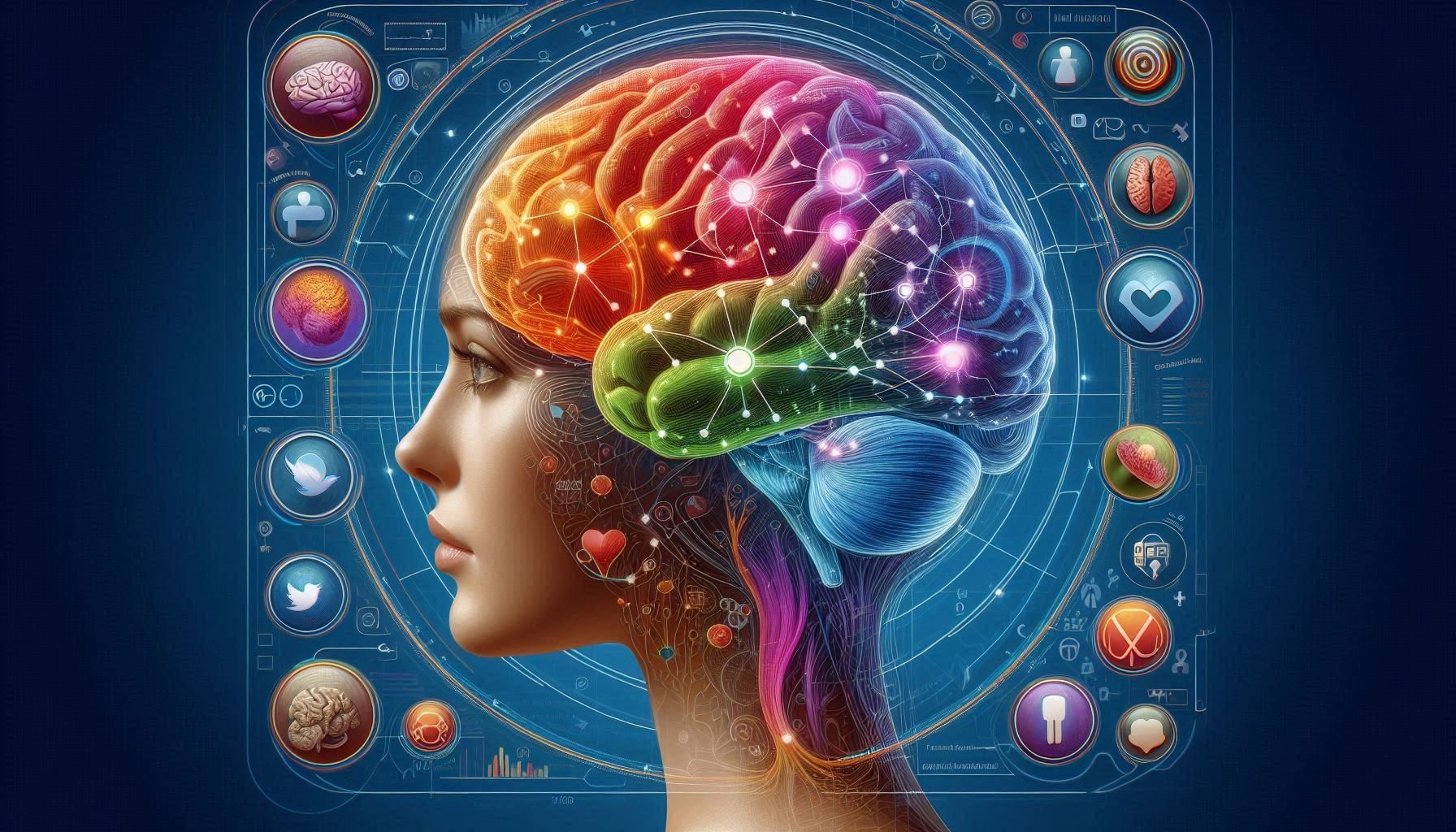
To truly understand The Psychology of Engagement, you need to move beyond surface metrics like likes, comments, and shares, and focus on the split-second processes happening inside the brain as someone scrolls through their feed. Engagement on social media is not accidental or purely algorithm-driven — it is the result of a complex interplay between neuroscience, emotional reward, and identity alignment.
Every interaction — whether a like, a share, or a save — represents a rapid, subconscious psychological decision. In those first milliseconds, the brain evaluates several factors:
-
Relevance: “Does this post resonate with me right now?” Content that aligns with a user’s interests, values, or experiences triggers stronger engagement.
-
Emotional reward: “Does this make me feel something?” Positive emotions like joy, relief, or inspiration, as well as subtle feelings of recognition or validation, create dopamine-driven micro-rewards that make users more likely to interact.
-
Identity signaling: “Does this reflect who I am or who I want to be?” People engage with posts that reinforce their current self-image, project the social self to their network, or provide tools to reach their aspirational future self.
Understanding these layers explains why some posts go viral while others with seemingly similar production value flop. High-quality visuals or clever captions alone do not guarantee engagement — what matters is how well your content triggers psychological and emotional responses that feel personally meaningful.
For creators, marketers, and small business owners, mastering The Psychology of Engagement means designing content that speaks directly to these fast cognitive and emotional evaluations. By consciously targeting relevance, emotional reward, and identity alignment, posts can consistently generate likes, shares, and saves — building long-term trust, loyalty, and audience growth, rather than relying on random algorithmic spikes.
In short, the first seconds of scrolling determine whether a post succeeds or fails. A deep understanding of The Psychology of Engagement allows you to craft content that captures attention instantly, resonates emotionally, and encourages meaningful interactions — the foundation of a high-performing social media strategy in 2025 and beyond.
Dopamine and the engagement reward loop 
Dopamine plays a central role in the psychology of social media engagement. When users encounter content that feels rewarding — useful, funny, validating or inspiring — the brain releases dopamine, reinforcing the behavior that led to that reward.
Platforms are built around this dopamine-based feedback loop: scrolling → emotional trigger → micro-reward → continued scrolling. Content that consistently delivers small emotional wins keeps users engaged longer and signals value to the algorithm.
- Likes deliver instant emotional validation
- Comments deepen social interaction and cognitive involvement
- Saves create delayed dopamine — value expected in the future
- Shares reinforce identity through public association
Social validation, belonging and identity signaling
Engagement is rarely about the content alone. From a psychological perspective, likes and shares act as signals of belonging and identity. Users engage not just to react — but to be seen reacting.
When someone taps like or share, they often communicate one of the following messages:
- “This reflects my beliefs or values.”
- “I support this creator or message.”
- “I want my audience to associate me with this idea.”
- “This content represents my perspective.”
The closer your content aligns with a user’s self-image, the stronger the engagement signal it generates. This is a core mechanism within The Psychology of Engagement.
Identity layers: how likes, shares and saves serve different selves
High-performing content speaks to different layers of identity simultaneously. Each engagement action fulfills a specific psychological role:
-
Likes → Current self
“This resonates with who I am right now.” -
Shares → Social self
“This represents how I want others to see me.” -
Saves → Future self
“This will help me improve, learn or act later.”
Content that activates all three identity layers tends to generate higher-quality engagement and longer lifespan within the feed.
Cognitive ease: why simple content consistently outperforms complex content
Another foundational principle in The Psychology of Engagement is cognitive ease. The human brain prefers information that is easy to process, emotionally clear and visually structured.
Posts underperform not because the ideas are weak, but because they create friction:
- too much text without visual hierarchy
- abstract concepts without concrete examples
- unclear emotional takeaway
- no obvious reason to save, share or respond
The easier it is to understand what a post offers — emotionally or practically — the more likely users are to engage with it instinctively.
If you want to improve engagement, don’t just ask “How can I make this prettier?” —
ask “How can I make this
Emotional Triggers Behind Likes, Shares & Saves
One of the core principles of The Psychology of Engagement is simple: people don’t interact with content because it is objectively “good” — they engage because it makes them feel something immediately. Emotion comes first. Action follows.
When a post triggers a clear emotional response, the brain moves faster than logic. Likes, comments, shares and saves are instinctive reactions to how content makes someone feel in that moment.
The four primary emotional triggers that drive engagement
Most consistently high-performing content on Instagram, TikTok and other platforms relies on at least one of these four psychological triggers:
- Recognition — “This describes my exact situation or thoughts.”
- Inspiration — “This makes change feel possible for me.”
- Clarity — “This finally explains what I couldn’t put into words.”
- Relief — “I’m not broken — this struggle is normal.”
Recognition: content that mirrors real thoughts and experiences
Recognition occurs when content reflects your audience’s lived reality: late-night scrolling, posting anxiety, overthinking captions, inconsistent reach, or the feeling of “I’m doing everything right and still not growing.”
In The Psychology of Engagement, recognition works because it reduces emotional distance. People engage when they feel seen, understood and accurately represented — not when content talks at them.
Inspiration: turning possibility into momentum
True inspiration is not motivational quotes or unrealistic success stories. It comes from achievable progress: small wins, honest experiments, imperfect action and transparent learning curves.
People share inspirational content because it signals hope and agency — especially to their own audience. Sharing says: “If this helped me believe in progress, it might help you too.”
Clarity: the strongest trigger behind saves
Clarity is one of the most powerful drivers of save behavior. When you transform confusion into a simple framework, checklist or explanation, users instantly recognize long-term value.
From a psychological standpoint, saving is a commitment to future benefit. In The Psychology of Engagement, this happens when content delivers:
- a clear “aha” moment
- a repeatable structure or system
- actionable guidance that feels reusable
Relief: reducing pressure, shame and self-blame
Relief-based content performs well because it normalizes struggle. Burnout, slow growth, comparison fatigue and creative anxiety are common — but rarely spoken about with nuance.
When creators articulate these struggles honestly and compassionately, engagement increases. Relief lowers emotional resistance, making people more willing to comment, share and save.
Emotion → Action: how feelings translate into engagement
You can predict engagement behavior by identifying the dominant emotion your content triggers:
- Recognition → likes and short comments
- Inspiration → shares and public comments
- Clarity → saves and repeat visits
- Relief → shares and deeper, emotional comments
Triggering just one emotion leads to solid engagement. Combining two or more within a single post significantly increases reach and creates the conditions for high-retention, high-value engagement.
Why Saves Are the New Super Like on Instagram
Within The Psychology of Engagement, saves represent the strongest form of Instagram interaction in 2025. Likes signal appreciation. Comments signal connection. Shares signal identity. Saves signal future intent and perceived value.
From a psychological standpoint, saving content requires more effort and a clearer internal justification than tapping like. This makes saves a higher-quality engagement signal — both for the algorithm and for long-term audience trust.
Saves as a future-focused psychological contract
When a user saves a post, they are making a small cognitive commitment to return to that content later. This behavior is driven by anticipated usefulness, not momentary emotion.
Psychologically, a save usually means:
- “This solves a problem I haven’t fully handled yet.”
- “This will be useful when I’m ready to act.”
- “I don’t want to lose access to this insight.”
As a result, save-heavy content tends to fall into specific categories:
- step-by-step tutorials and how-to breakdowns
- mental models, frameworks and decision trees
- checklists, templates and swipeable systems
- psychological explanations that clarify behavior
Three psychological drivers behind save behavior
Saves are not accidental. They occur when one or more of these drivers is activated:
-
Emotional usefulness
The content helps users understand themselves, their struggles or their audience more clearly — reducing confusion or self-doubt. -
Practical usefulness
The post provides concrete steps, formulas or tools that feel directly applicable in the future. -
Fear of loss
The information feels rare, condensed or difficult to recreate, triggering a desire to preserve access.
Save triggers: what makes content psychologically save-worthy
Posts earn saves when they reduce mental effort while increasing perceived future benefit.
- clear “before → after” shift in understanding
- structured frameworks instead of loose advice
- templates, hook formulas or caption systems
- emotional insight that names a hidden pattern
- complex ideas simplified into visual logic
- lists that feel collectible and reusable
The more a post combines emotional clarity with practical structure, the stronger its save potential becomes — especially within educational or growth-focused niches.
In The Psychology of Engagement, save-first content builds authority, trust and long-term reach. Virality creates spikes. Saves create sustained relevance.
Practical Psychology for Creators: From Theory to Posts
Understanding The Psychology of Engagement only creates results when it is translated into real formats — Reels, carousels, Stories and captions. Psychology does not live in theory; it lives inside hooks, pacing, structure and payoff.
Using psychology in Reels and short-form video
Reels are the fastest-moving battlefield of attention. Within the psychology of short-form content, users decide whether to stay or swipe in the first 1–2 seconds.
High-performing Reels consistently activate three psychological mechanisms:
- Immediate emotional relevance — “This is about me.”
- Retention tension — “I need to see where this goes.”
- Emotional payoff — “That was worth my attention.”
In The Psychology of Engagement, effective Reel hooks do not describe content — they interrupt thought patterns and trigger emotion.
- “If you’re overthinking every Instagram post, this will calm you down.”
- “Your Reels aren’t failing — your hook is confusing your viewer.”
- “Nobody tells creators this about engagement, but it explains everything.”
These hooks work because they activate recognition, curiosity and mild uncertainty — powerful drivers of watch time and completion rate.
Retention psychology: why people keep watching Reels
Beyond the hook, retention is driven by micro-resolution. The brain stays engaged when it expects frequent, small payoffs.
- short sentences or visual beats every 1–2 seconds
- progression (“first → second → finally”)
- pattern breaks (pause, change in framing, text shift)
- a promised insight that hasn’t been revealed yet
Reels that explain why something happens — not just what to do — consistently outperform surface-level tips because they satisfy deeper psychological curiosity.
Story before strategy
From a psychological perspective, the brain processes stories faster than advice. Stories create empathy first — and once empathy is present, the audience becomes receptive to instruction.
“I posted every day for 90 days and almost quit. It wasn’t the algorithm — it was the emotional design of my content.”
In The Psychology of Engagement, story acts as the delivery system for insight. Strategy without story feels cold; story without insight feels empty.
Carousels built for recognition, clarity and saves
High-performing carousels follow a predictable psychological arc:
- Slide 1: identity or pain-based hook
- Slide 2: recognition and relief
- Slides 3–6: structured clarity (steps, reasons, frameworks)
- Slide 7: emotional or cognitive transformation
- Slide 8: save-oriented CTA
Captions that connect, not just inform
Captions grounded in The Psychology of Engagement follow a predictable emotional flow:
- Emotional opening: name the internal state.
- Insight: explain the real reason behind it.
- Clarity: reframe or simplify the problem.
- Connection: normalize the experience.
- Soft CTA: invite saving or sharing.
Replace “Like if you agree” with “Save this for the days you start doubting yourself”. Same placement — far stronger psychological motivation.
The Engagement Blueprint 2025: Feel → Think → Act
To turn The Psychology of Engagement into a repeatable system, creators need a simple decision framework. Feel → Think → Act is one of the most reliable.
- FEEL: What emotion should trigger immediately?
- THINK: What insight should reshape perception?
- ACT: What behavior should feel natural next?
Posts that fail usually skip one of these stages — especially emotion.
Balancing emotional, educational and identity content
A psychologically balanced Instagram strategy includes:
- Emotional posts — connection and relatability
- Educational posts — authority and saves
- Identity posts — shares and community signals
A weekly engagement rhythm
- Mon — recognition-based Reel
- Tue — save-heavy educational carousel
- Wed — relief-driven talking-head Reel
- Thu — tutorial or framework
- Fri — inspirational story
- Sat — human behind-the-scenes
- Sun — identity statement
This rhythm ensures consistent activation of all major psychological drivers — not just algorithmic spikes.
When this blueprint is combined with consistent testing and, where appropriate, support tools like FameLab Instagram growth services or Instagram watch time and views boosts , creators accelerate momentum without sacrificing authenticity.
Engagement Myths vs Reality
Even experienced creators often misunderstand what truly drives interaction. They blame reach drops on algorithms, posting times or niche saturation — while overlooking The Psychology of Engagement behind likes, shares, comments and saves.
Most engagement problems are not technical. They are emotional, cognitive and behavioral.
Common myths that quietly kill engagement
-
Myth: “If the content is good, people will engage.”
Reality: People engage only when content feels personally relevant.
Example: A beautifully designed carousel with generic advice gets ignored, while a messy Reel naming a specific struggle (“Why your Reels feel exhausting to make”) sparks comments and saves. -
Myth: “Engagement dropped because the algorithm changed.”
Reality: Engagement drops when emotional clarity disappears.
Example: Posting more tips, more slides or more data without a clear emotional hook trains viewers to scroll past. -
Myth: “Short captions always perform better.”
Reality: Emotionally sharp captions perform better — regardless of length.
Example: A long caption that explains why creators feel stuck often generates saves, while a short but vague caption gets skimmed and forgotten. -
Myth: “Posting every day automatically boosts engagement.”
Reality: Frequency without emotional focus lowers perceived value.
Example: Daily posts that repeat similar tips with no new insight condition your audience to expect noise, not meaning. -
Myth: “Educational content doesn’t need emotion.”
Reality: Education without emotion is forgettable — and rarely saved.
Example: “5 Instagram tips” gets ignored, while “Why these 5 tips stop working when you’re burned out” gets saved. -
Myth: “You have to be entertaining to get engagement.”
Reality: You have to be emotionally resonant.
Example: Calm, thoughtful talking-head Reels explaining hidden patterns often outperform high-energy edits because they create trust and clarity. -
Myth: “Viral posts are the key to long-term growth.”
Reality: Save-heavy content builds authority and retention.
Example: A viral meme brings a spike in likes, while a framework-based carousel keeps generating saves for months.
FAQ: Psychology of Social Media Engagement
Engagement is driven by a mix of emotion, identity and reward. People like, share and save content that makes them feel seen, gives them clarity, reflects who they are (or want to be) or offers a meaningful emotional payoff such as relief, validation or inspiration.
Saves are a future-focused behavior. People save posts when they see long-term value: a framework they want to apply, a tutorial they’ll need later, or an emotional insight they want to revisit. Saving says “this matters enough to keep”.
Shares are tied to social identity. People share posts that make them look insightful, funny, caring or aligned with a specific belief. If a post expresses what they feel or think better than they could themselves, they are far more likely to share it.
The key is to use psychology to support your audience, not exploit them. Focus on clarity, validation, useful insight and genuine inspiration rather than fear, shame or manufactured urgency. When your intent is to help people understand, feel less alone and take aligned action, engagement becomes a natural side effect.
Conclusion: Engagement Isn’t Luck — It’s Psychology 
When creators finally understand The Psychology of Engagement, engagement stops feeling random or unfair. Likes, shares and saves are no longer “nice surprises” — they become predictable outcomes of intentional design.
You stop chasing trends blindly. You stop guessing why one post works and another disappears. Instead, you start asking better, more strategic questions before you publish:
- What does my audience need to feel in the first 3 seconds?
- What emotional tension am I helping them resolve?
- What belief, confusion or fear am I naming for them?
- What action will feel natural after consuming this content?
People never engage with content in a vacuum. They engage when a post mirrors something already happening inside them.
High-performing content consistently triggers at least one of these psychological responses:
- Recognition: “This is exactly my situation.”
- Relief: “I’m not broken — this is normal.”
- Clarity: “Now I finally understand why this keeps happening.”
- Momentum: “I know what to do next.”
- Identity: “This feels aligned with who I am (or who I want to become).”
When your content delivers these outcomes consistently, engagement metrics begin to represent something deeper than vanity numbers. They reflect trust, emotional resonance and long-term loyalty.
This is why creators who understand The Psychology of Engagement often grow slower at first — but outperform others over time. Their audience doesn’t just watch. They save, return, share and build habits around that content.
You don’t need louder hooks, more edits or more posting pressure. You need more human-centered content — content designed for real people with real emotions, not just for dashboards, trends and surface-level metrics.
Once psychology becomes your foundation, engagement stops being something you hope for and becomes something you can intentionally create. That’s the real power behind The Psychology of Engagement.
Comments
Comments section coming soon...